


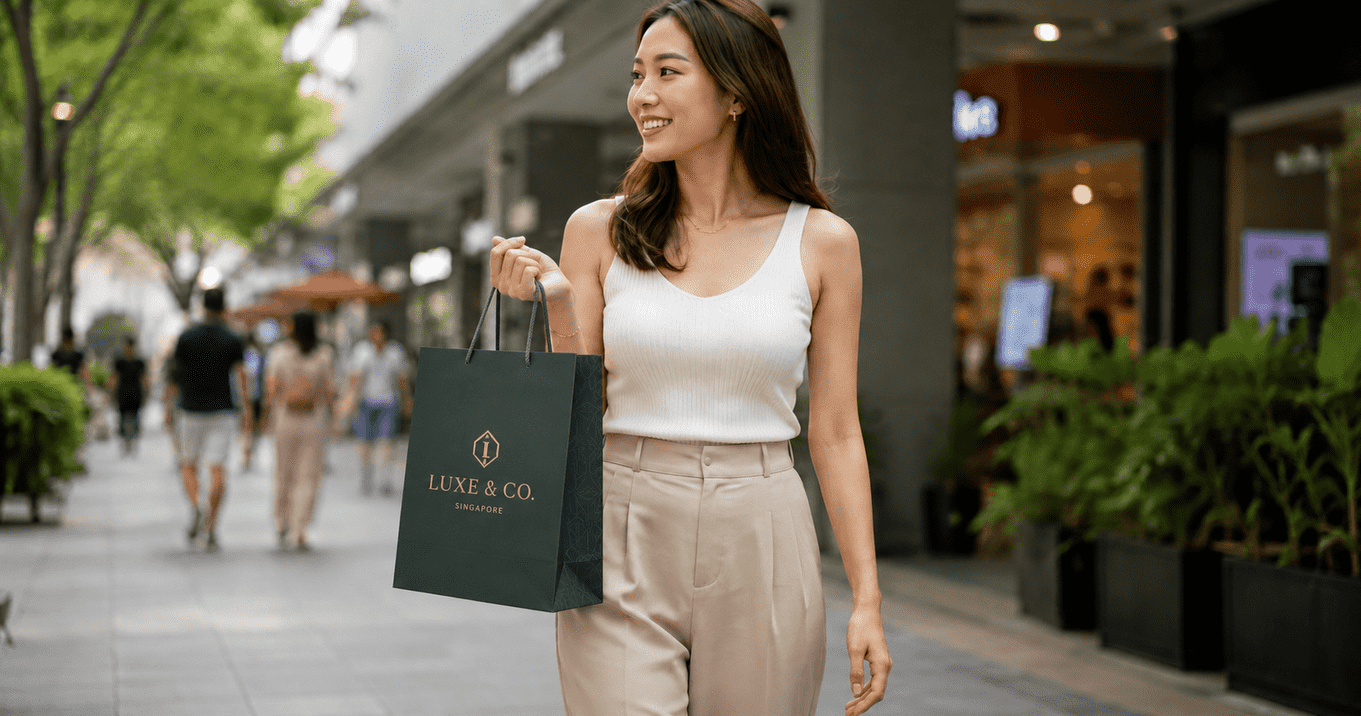

Walk down any street in Singapore and count how many logos pass you without a single ad being paid for. A paper bag swinging from someone’s hand on the MRT, sitting on a café table, tucked under an arm on the way to a meeting, all of it is free brand exposure that a business only had to pay for once, at the printing stage.
That’s the quiet advantage of a well-made paper bag. It’s not a flyer that gets glanced at once and binned. It travels with the customer, sits in their home, and gets reused, each time putting a brand in front of someone new. This guide covers what actually goes into custom paper bags that do that job well.
Why the bag itself is part of the brand experience
A customer’s experience doesn’t end when they pay. The shopping bag is the last thing they receive from your brand, and for gifts, it’s often the first thing the recipient sees.
A thin, plain paper bag can make even a premium product feel less special. A well-designed bag with quality paper and clear printing does the opposite. It makes the product feel more valuable and shows that the brand cares about every detail.
This is especially important for retail and gift packaging. Many people reuse good-quality paper bags, whether for shopping or giving another gift. Every time they reuse the bag, your brand gets seen again, giving it extra exposure long after the original purchase.
Choosing the right paper and finish
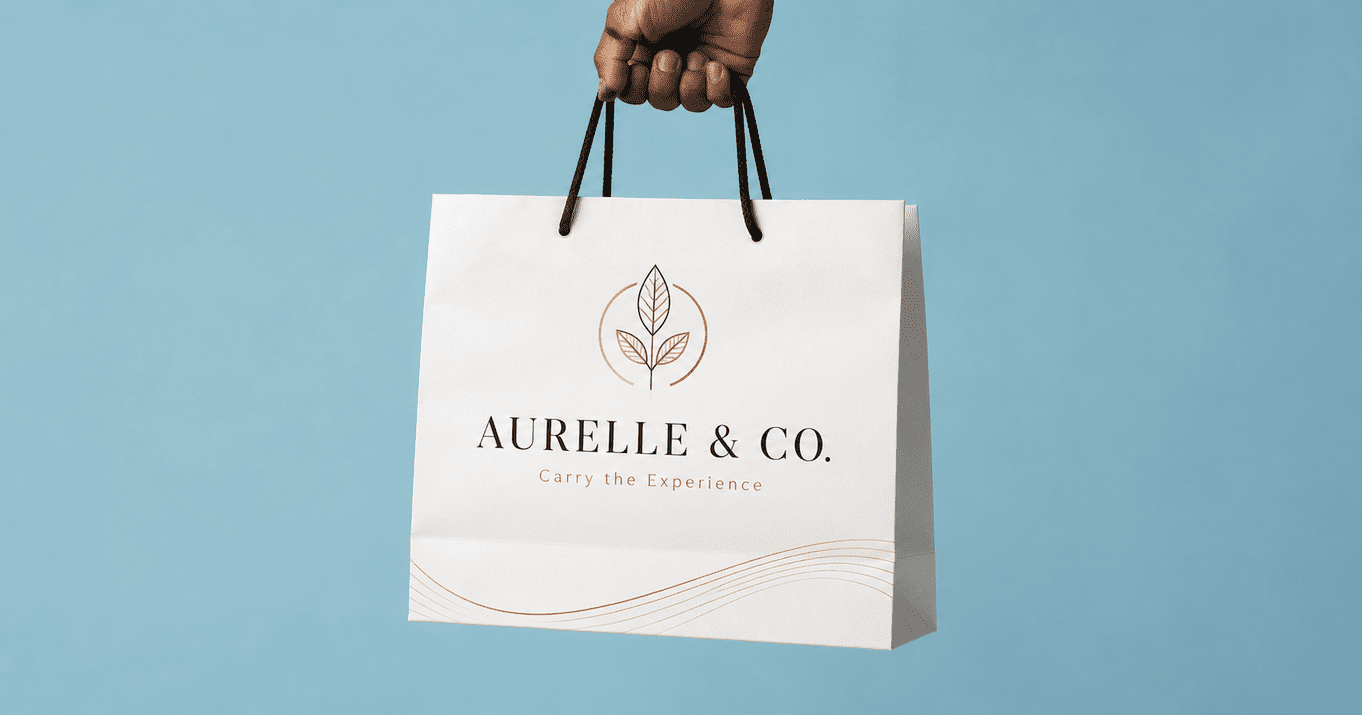
Most custom paper bags are printed on gloss art card around 190gsm, which gives a sturdy structure that holds its shape while carrying vibrant, full-colour print, or a slightly lighter gloss art paper around 157gsm for a more economical option on lighter loads. Both take full-colour printing well, so logo colours and design detail come through clearly.
Finishing options change how the bag feels and looks in hand. Gloss lamination brightens the surface and adds a slight sheen. Matte lamination gives a softer, more premium look without glare, which many skincare and lifestyle brands lean toward.
Matte lamination paired with spot UV adds a further layer, a glossy raised detail over specific parts of the design, like a logo, that catches the light against the matte background.
Rope and handle details
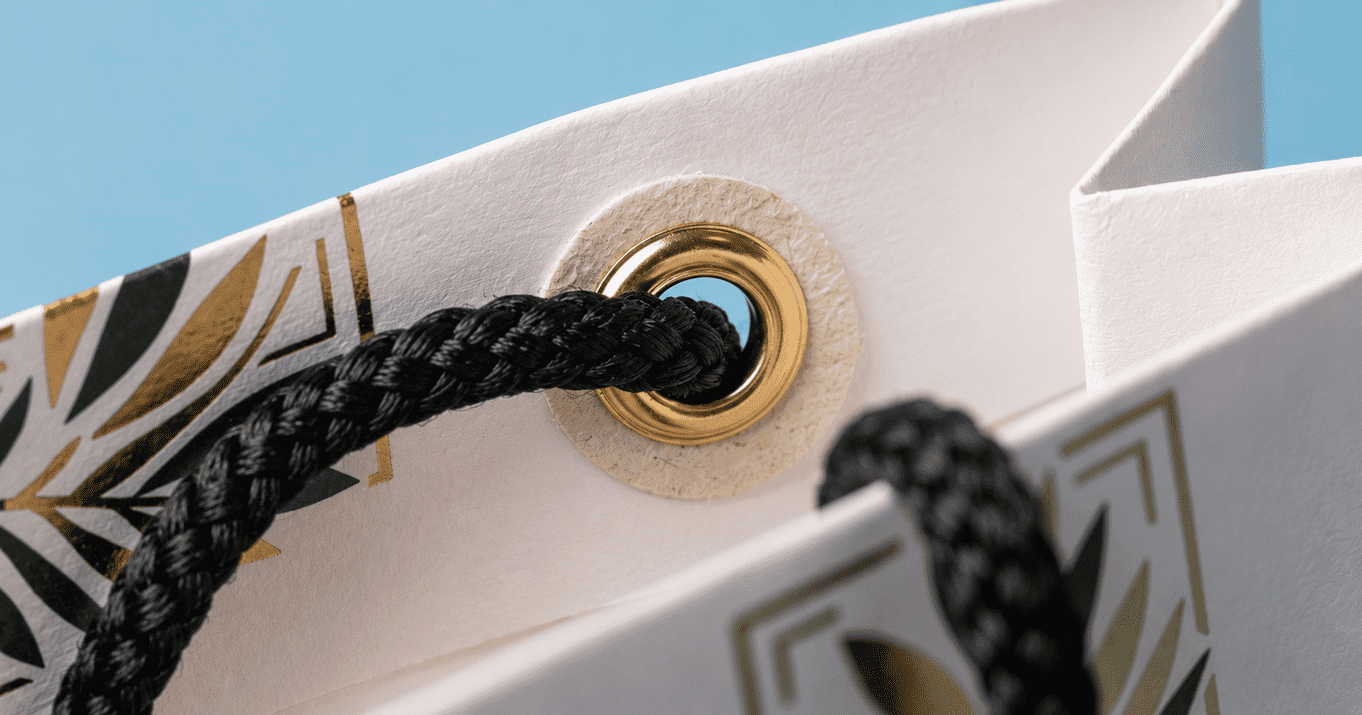
The handle is a small detail that’s easy to overlook, but rope colour and length affect both durability and how the bag looks when carried. Standard rope length is commonly set around 350mm, and rope colour can usually be matched or contrasted against the bag design. It’s also worth checking how the rope is reinforced at the punch holes, since a bag that’s meant to carry anything with real weight needs eyelets or reinforced backing at the handle attachment point, not just the rope itself, otherwise the holes are the first place a bag tends to tear.
Sustainable alternatives
Not every brand wants paper. Non-woven bags and rPET non-woven bags, made from recycled plastic, are sturdier, reusable options that suit retail brands leaning into sustainability messaging. They print in either spot colour or full CMYK depending on the design, and while they take longer to produce than a standard paper bag, they hold up to repeated use far better, which matters if the bag is meant to be reused rather than thrown away after one trip.
Paper bag and eco-alternative comparison
| Material | Best For | Reusability |
| Gloss Art Card 190gsm | Retail, gifting, general branding | Moderate |
| Gloss Art Paper 157gsm | Lighter retail items, cost-conscious runs | Moderate |
| Non-Woven Bag | Eco-conscious retail, events | High |
| rPET Non-Woven Bag | Sustainable branding, premium eco positioning | High |
Getting the artwork right before ordering
- Custom paper bags are die-cut, folded, and glued after printing, so the artwork needs to account for that structure rather than being designed like a flat poster. A die-line file showing exactly where folds and cuts fall helps the printer construct the bag exactly as intended, rather than making assumptions about where a design element should sit relative to a fold.
- Bleeds of around 2mm and a safe zone of around 4mm from the trim edge are standard requirements, and it’s worth remembering that each printing job applies to a single design, if a business wants three different designs across a batch, that’s typically ordered as three separate quantities rather than mixed within one run.
- Quantity also matters more with paper bags than with something like a name card, since production involves die-cutting, folding, and gluing steps that scale differently at low versus high volumes. Smaller test batches are possible but worth discussing with the printer upfront, especially if hot stamping or spot UV is being added, since those finishes add their own processing time on top of the base bag production.
How Orange Print handles custom paper bags in Singapore
At Orange Print, custom paper bags are printed digitally in full colour from our Sembawang facility, with lamination, spot UV, and hot stamping available as finishing options, and a free file check before production to catch die-line, bleed, or resolution issues early.
Retail and F&B businesses ordering paper bags often need matching stickers and label printing for their products, or name cards for staff and events, around the same time. Mentioning this when placing a paper bag order means everything can be quoted and scheduled together instead of as separate trips to a printing shop Singapore businesses would otherwise have to juggle. WhatsApp or use the live chat on the site to confirm material, finish, and turnaround before you commit to a quantity.
Frequently asked questions
1. What paper weight is best for a custom branded paper bag?
Gloss art card around 190gsm is the common default since it holds shape well and prints vibrant colours, suited to most retail and gifting use. A lighter gloss art paper around 157gsm works for lighter items where cost is more of a priority.
2. Can I add a metallic logo effect to a paper bag?
Yes, through hot stamping, a metallic foil applied to a specific part of the design. Standard CMYK printing can’t reproduce true metallic finishes, so hot stamping is the correct route if a brand wants that effect on the bag surface.
3. Are non-woven bags a better sustainable option than paper?
Non-woven and rPET non-woven bags are more durable and reusable than standard paper bags, which suits brands prioritising sustainability messaging. They take a bit longer to produce and are better suited to businesses expecting the bag to be reused multiple times rather than for a single transaction.
4. Do I need to provide a die-line file for a custom paper bag design?
Yes, a die-line file showing exactly where folds and cuts occur helps the printer construct the bag correctly. Without it, the printer has to make assumptions about how the design should wrap around the folds, which can shift where elements land on the finished bag.
5. Is there a minimum order quantity for custom paper bags?
Paper bags generally require a practical minimum given the die-cutting, folding, and gluing involved in production, and lead times scale with quantity. It’s best to confirm your intended quantity with the printer before finalising a design, especially if you’re adding finishes like spot UV or hot stamping.